One of the most common questions asked by pilgrims planning the Shikharji Yatra is how many steps are there in Parasnath Temple. Because the temple is located on the summit of Parasnath Hill, the journey involves a long uphill walk through forest paths, stone pavements, and stepped sections. Understanding the exact step count, walking distance, and nature of the route helps pilgrims prepare both physically and mentally.
This complete guide explains the real step count of Parasnath Temple, how the steps are distributed, how the trek differs from other stair based pilgrimages, and what pilgrims should expect during the climb.
Is Parasnath Temple a Stair Based Pilgrimage
Parasnath Temple is not a continuous stair only pilgrimage like some other famous hill temples in India. Instead, the route is a combination of stone paved pathways, natural slopes, and stepped sections.
This is why many people get confused when searching for an exact step number. There is no single staircase from base to summit. The steps appear only in certain steep sections of the hill.
Estimated Number of Steps in Parasnath Temple Yatra
Based on ground observations and pilgrim experience, the total number of constructed steps on the Parasnath Hill route is estimated to be between three thousand and three thousand five hundred steps.
These steps are not continuous. They are spread across different parts of the trek where the slope becomes steep or where erosion control is required.
Because the rest of the route consists of inclined stone paths and forest trails, the pilgrimage is measured more accurately by distance rather than step count.
Why There Is No Fixed Official Step Count
There are several reasons why Parasnath Temple does not have an officially declared step number.
The route is a mix of steps and sloped paths
Some steps are natural stone formations
Maintenance work changes step structures over time
Different paths have slightly different step distributions
The pilgrimage tradition focuses on walking discipline rather than step counting
For these reasons, authorities and Jain trusts describe the yatra in kilometers rather than steps.
Distance Based Measurement of the Yatra
Instead of steps, Parasnath Temple yatra is traditionally described by walking distance.
The one way walking distance from Madhuban to the summit is approximately nine to eleven kilometers depending on the chosen route.
Most pilgrims take four to six hours to complete the ascent and three to five hours for descent.
This distance includes both stepped and non stepped portions.
Step Distribution Along the Route
Although there is no single staircase, steps are mainly found in specific sections.
Lower Section Near Madhuban
The initial part of the route has very few steps. It is mostly a gradual stone paved path suitable for warming up.
Middle Forest Section
This part includes short stepped stretches near tonks and steeper curves. The steps here are irregular and built into the natural slope.
Upper Steep Section Near the Summit
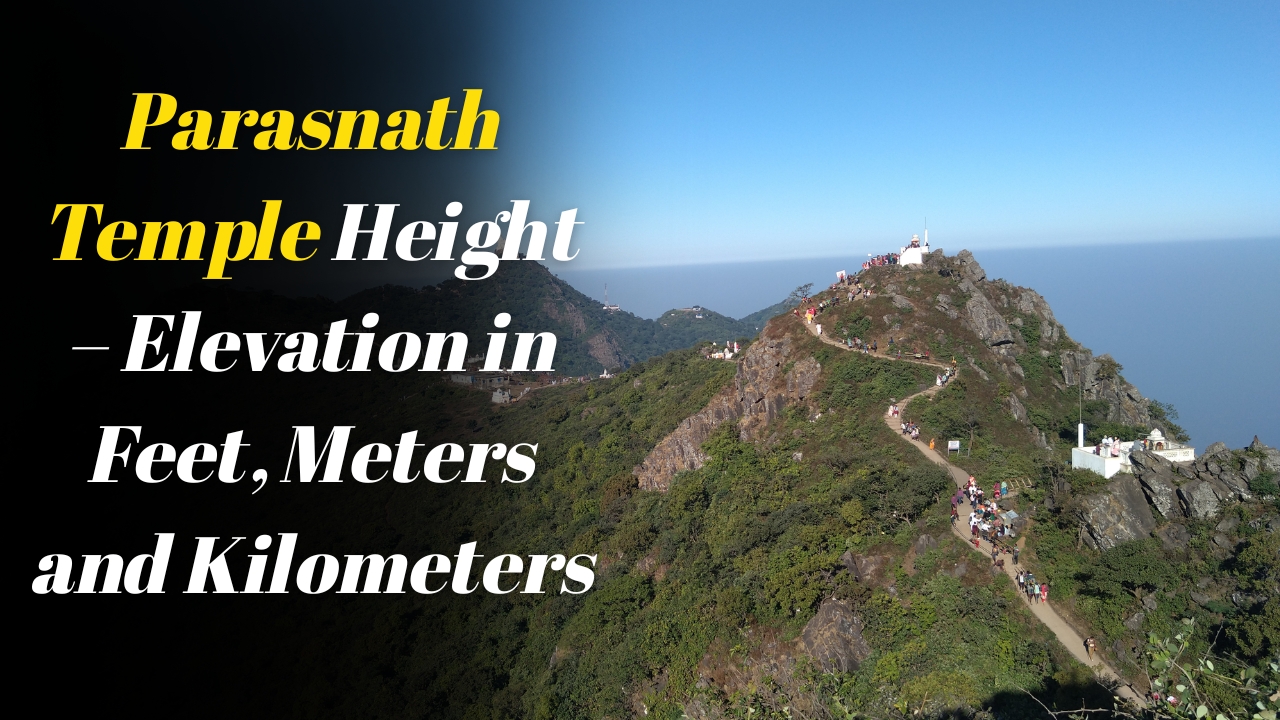
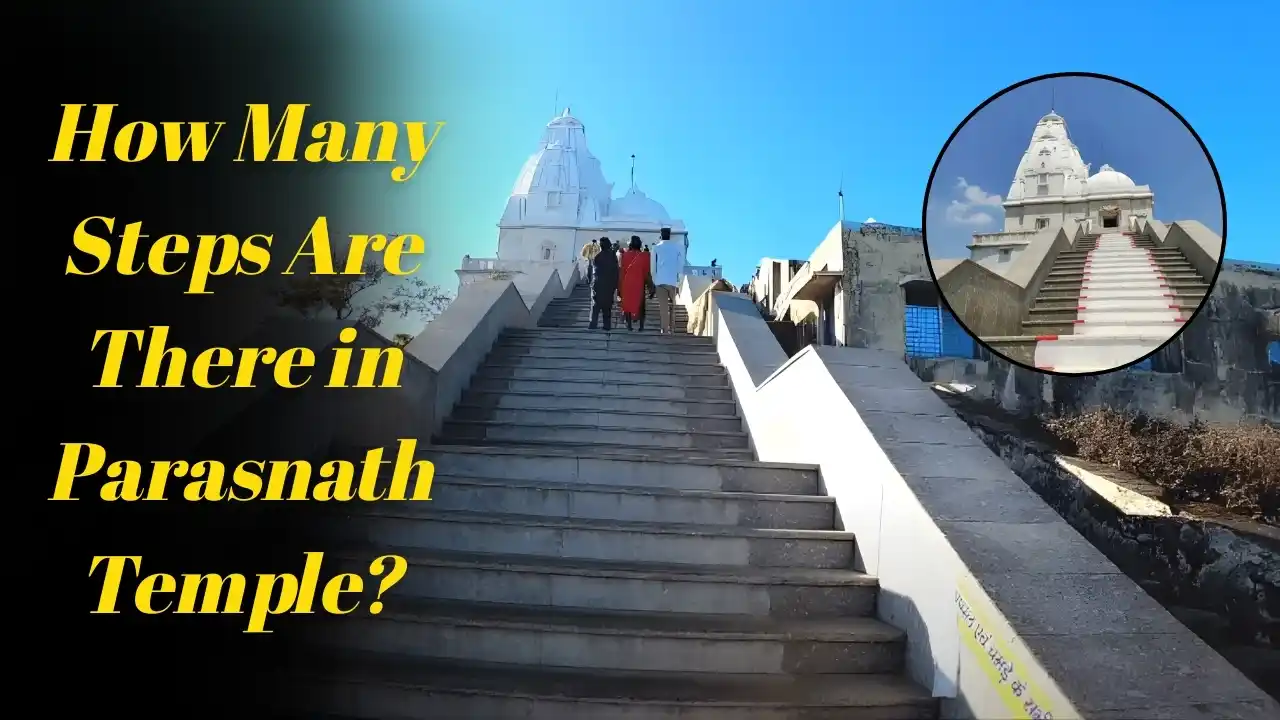
The highest number of steps are found near the final ascent. This section contains continuous stone steps designed to support pilgrims during the steep climb.
Most of the estimated three thousand plus steps are concentrated in this final section.
Comparison With Other Step Based Temples
Many pilgrims compare Parasnath Temple with temples that have fixed step counts.
Vaishno Devi has a mostly sloped track with some steps
Tirupati has a clearly counted stairway
Palitana has a fully stepped route
Parasnath Temple is different because it combines walking, steps, and natural terrain. This makes the yatra more meditative and less mechanical.
Is the Step Count Difficult for Pilgrims
The difficulty of the Parasnath steps depends on pacing rather than number.
Because the steps are broken into short sections, pilgrims can rest frequently. Rest shelters and tonks appear at regular intervals, making the climb manageable.
Even elderly pilgrims successfully complete the yatra using slow and steady walking or by opting for doli services.
Doli Service for Pilgrims Who Cannot Climb Steps
For pilgrims who cannot manage steps or long walking distances, doli services are available from Madhuban.
A team of trained carriers transports the pilgrim safely from base to summit and back. This ensures that age or physical limitation does not prevent anyone from completing the pilgrimage.
Footwear and Step Safety
Because the steps are stone based, pilgrims should wear comfortable footwear with good grip.
During monsoon months, the steps can become slippery. In winter, early morning dew may make stones wet. Extra caution is advised during these seasons.
Walking sticks are commonly used and easily available near the base.
Spiritual Meaning of Steps in the Yatra
In Jain philosophy, effort and discipline are more important than numbers. Each step taken toward the summit represents progress toward self control and purification.
Pilgrims often chant mantras or maintain silence while walking. The focus is on mindfulness rather than counting steps.
The journey itself is considered an act of devotion, regardless of how many steps are involved.
Common Misconceptions About Step Count
Many websites claim exact numbers without understanding the terrain. In reality, the number of steps can vary depending on route maintenance and weather impact.
It is more accurate to understand Parasnath Temple yatra as a long spiritual walk with stepped support where required, rather than a staircase climb.
Practical Tips for Managing the Steps
Start the trek early morning
Walk at a steady pace
Take short breaks near tonks
Use handrails where available
Avoid rushing on stepped sections
Carry light luggage
Stay hydrated
Following these tips makes the stepped sections easy to handle.
Who Can Complete the Yatra
With proper planning, the yatra is suitable for
Healthy adults
Senior citizens with breaks
Children with supervision
Families walking together
The availability of resting points and doli service ensures accessibility for most visitors.
Step Count Summary Table
| Aspect | Details |
|---|---|
| Official step count | Not officially declared |
| Estimated steps | Around 3000 to 3500 |
| Route type | Mix of steps and sloped paths |
| One way distance | 9 to 11 kilometers |
| Ascent time | 4 to 6 hours |
| Difficulty level | Moderate |
| Support services | Rest shelters and doli |
Location Context
Parasnath Temple is located on Parasnath Hill in the Giridih district of the Indian state of Jharkhand. Its forest surroundings and elevation make the journey both physically engaging and spiritually uplifting.
Final Thoughts
Parasnath Temple does not have a single continuous staircase or a fixed official step count. Instead, the yatra includes an estimated three thousand to three thousand five hundred steps spread across different steep sections of a nine to eleven kilometer walking route. The pilgrimage is designed around discipline, patience, and spiritual focus rather than numerical measurement.
Understanding the real nature of the steps helps pilgrims prepare realistically and approach the journey with confidence and peace. With steady walking, proper rest, and respect for the sacred environment, the Parasnath Temple yatra becomes a deeply fulfilling spiritual experience.